Terminals
We play a critical role in delivering the energy that powers communities. With a reliable network of terminals and pipelines, we ensure the safe, efficient movement and storage of fuel across key markets.
TERMINALS
We play a critical role in delivering the energy that powers communities. With a reliable network of terminals and pipelines, we ensure the safe, efficient movement and storage of fuel across key markets.
Oil and refined petroleum products are stored in tanks at various points on the
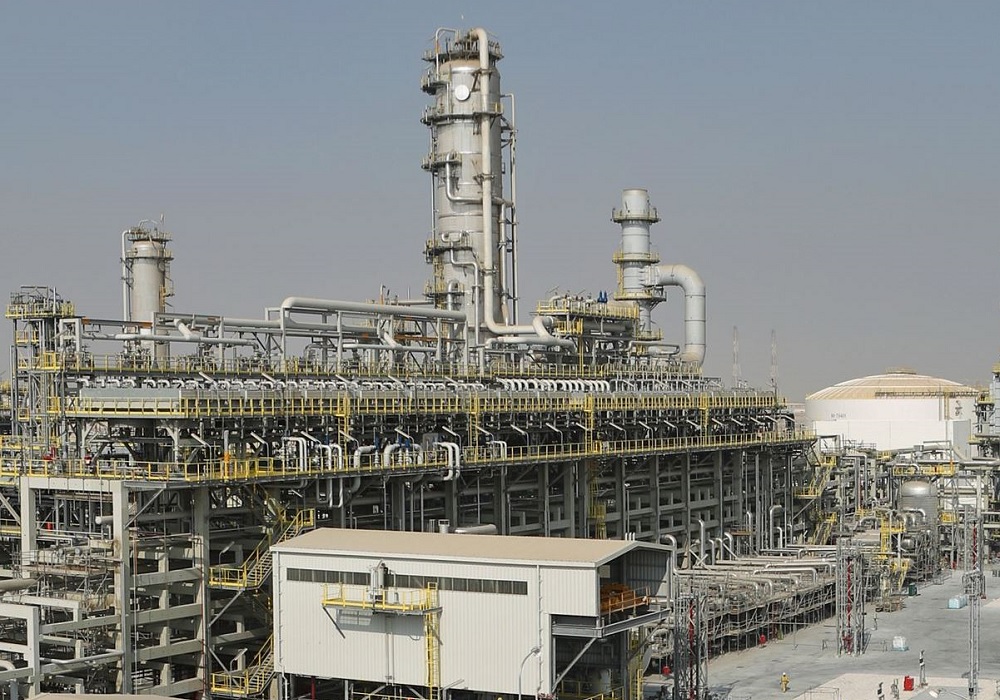
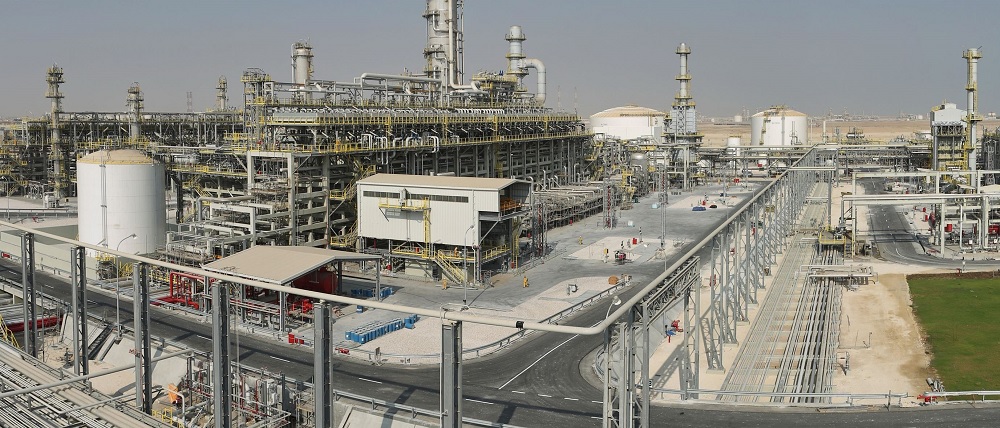
journey from well to consumer. For example, products are stored at marine terminals where tankers offload their cargo or at refineries, where finished products await distribution by truck, rail, or pipeline. Specially designed equipment and a variety of sophisticated sensors help to prevent or, in the event of an accidental release, contain spills.
Overfill sensors
Overfill sensors are attached inside the roof of a storage or transfer tank and identify when the desired level of petroleum product has been achieved within the tank, triggering an automatic shut-off valve to prevent overfilling.
Metered pumps
Metered pumps are programmed to deliver a pre-set amount of petroleum product from a storage facility to a tanker truck or train car, providing a safeguard against accidental overfilling. The operator monitors the transfer and can utilize a manual shut-off-valve to stop the loading, if necessary.
Self-Adjusting Cargo Connections
Self-adjusting cargo connections at marine terminals prevent spills by compensating for the movement of the ship on the water. The connector arms can swing both vertically and horizontally, eliminating potential stress on the connection point.
Concrete Trap
Concrete traps are constructed beneath above-ground tanks to protect against groundwater contamination and facilitate the rapid identification of a spill in the unlikely event of structural failure. A circular, gravel-filled trough collects any spilled product.